Timeless. Powerful.UnmistakableTimelessPowerfulUnmistakable
An icon of performance and design, the Porsche 911 blends precision engineering, unmistakable style, and pure driving emotion in every detail.
Porsche 911 GT3 RS
Reimagined By Singer


An icon shaped by
decades of performance
An icon shaped by
decades of performance
The Porsche 356, born in a Gmünd workshop, was the first car to carry the Porsche name. Hand-built with aluminum bodies and a rear-mounted engine borrowed from Volkswagen, it established the principles of balance, lightness, and driver engagement that would define every Porsche that followed. It was never about raw power — it was about purity of purpose.
Ferry Porsche built the 356 because he could not find a sports car he wanted to buy. That act of personal conviction shaped the entire philosophy of the brand: build exactly the car you believe in, and do not compromise on the things that matter. Every decade since has been a continuation of that thought.
The 356 matured into the 356B and 356C, refining suspension geometry, adopting disc brakes, and growing a reputation on racetracks across Europe. By 1963, development of the successor was well underway — a car that would take the rear-engine concept and push it to a completely new level of sophistication.
The 911 debuted at the Frankfurt Motor Show in 1963, immediately distinguishing itself with a flat-six engine, a longer wheelbase, and an interior that could genuinely seat four. It looked like nothing else on the road — and it drove like nothing else, either. The 1960s closed with the 911 firmly established as a serious driver's machine.
The 1970s defined the air-cooled 911 as a legend. The Carrera RS 2.7 arrived in 1972 with its distinctive ducktail spoiler, lightweight construction, and a 2.7-litre engine producing 210 horsepower. Road testers ran out of superlatives. It became one of the most sought-after sports cars in history almost immediately after production ended.
Then came the Turbo. The 930 Turbo introduced in 1975 was brutal, fast, and genuinely dangerous if you did not respect its character. It redefined what a production car could be. By the end of the decade, the 911 had proven something important: it could evolve radically while remaining unmistakably itself.
The 911 SC brought refinement to the formula — better reliability, broader power delivery, and a character that was approachable without being soft. Cabriolet variants arrived, opening the 911 experience to a new audience. The Carrera 3.2, introduced in 1984, pushed the naturally-aspirated engine further and remains one of the most balanced 911s ever built.
Throughout the eighties, Porsche also raced hard. The 956 and 962 dominated Le Mans for years, validating the engineering philosophy at the highest level of motorsport. That racing knowledge fed directly back into the road cars — the 911 of 1989 was a significantly better machine than the one that started the decade.
The 964 brought all-wheel drive, power steering, and ABS to the 911 for the first time. Purists argued it had become too easy. They were wrong — it had simply expanded the range of conditions in which a driver could explore its limits safely. The 993 that followed in 1994 is still widely considered the pinnacle of the air-cooled era: beautiful, fluid, and deeply satisfying to drive.
The 993 was the last air-cooled 911. When production ended in 1998, it carried with it decades of engineering built around a philosophy of simplicity and directness. The water-cooled era was coming, and with it a different kind of 911 — but the character, the balance, and the commitment to the driver remained untouched.
The 996, 997, and 991 generations brought the 911 into a new era of precision engineering. Water cooling allowed broader performance envelopes, modern electronics sharpened safety and control, and each generation drove better than the last. Yet the 911 never lost its soul — the feel at the wheel, the weight of the controls, the instinctive communication between car and driver remained constant.
Restorers like Singer Vehicle Design brought a new dimension to the story: the idea that the 911 was not just a car to drive but a platform for obsessive, handcrafted reinterpretation. A reimagined 911 is not a museum piece. It is a statement that the original vision was so right, so complete, that the only worthy response is to do it again — even better.
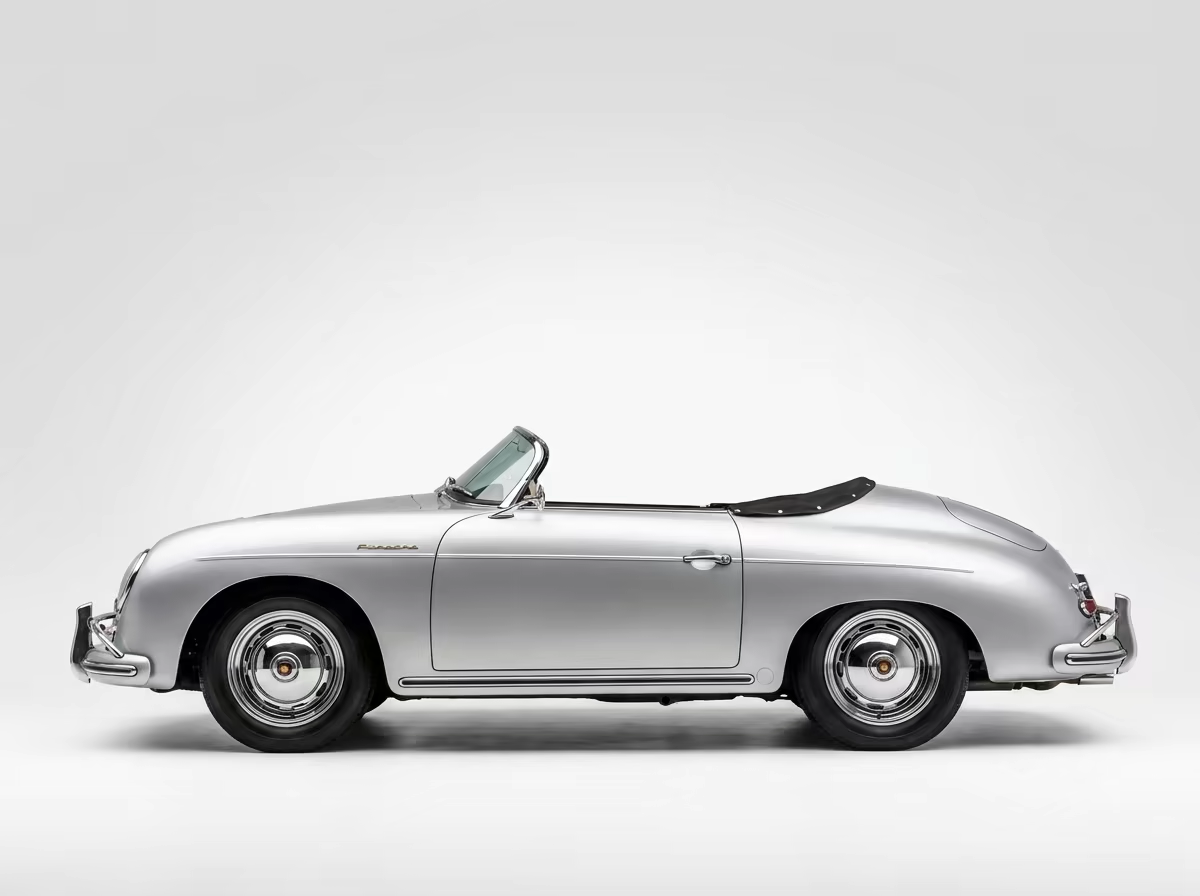
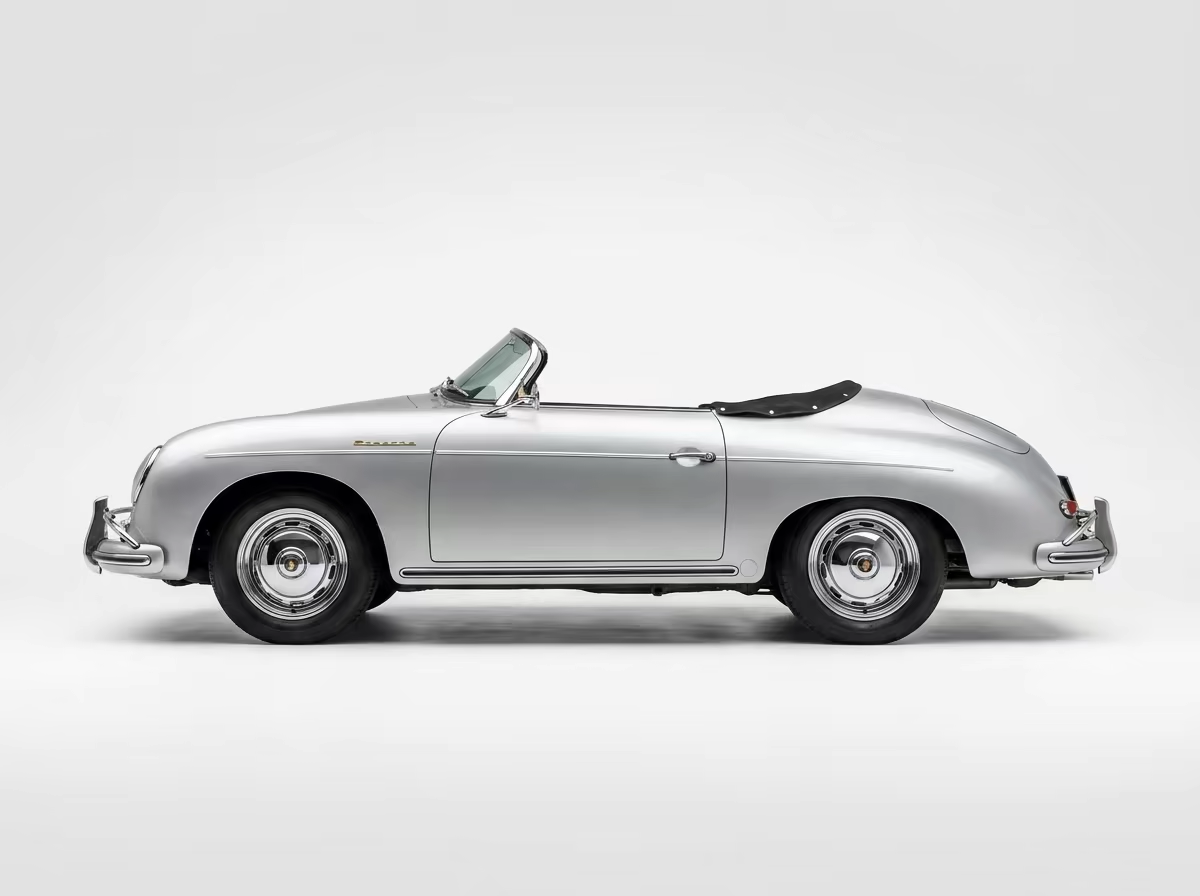
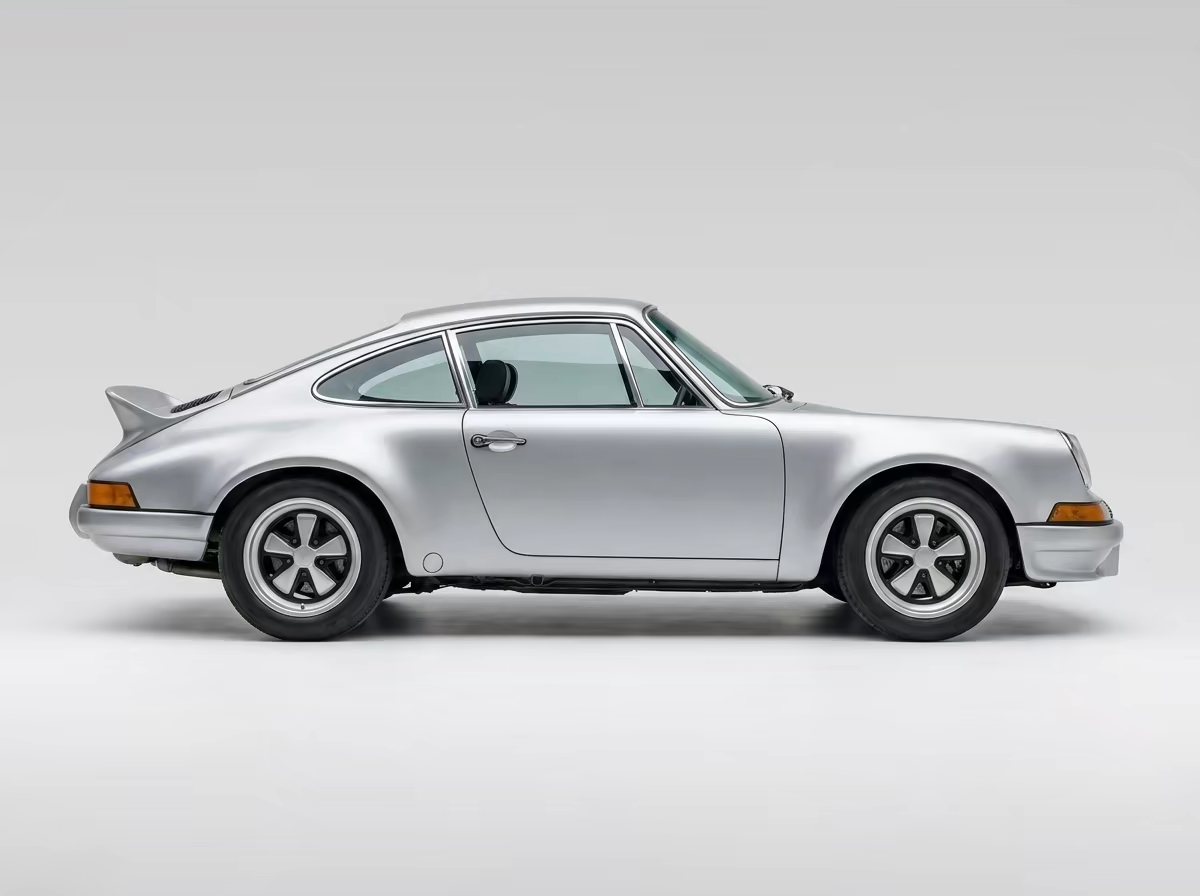
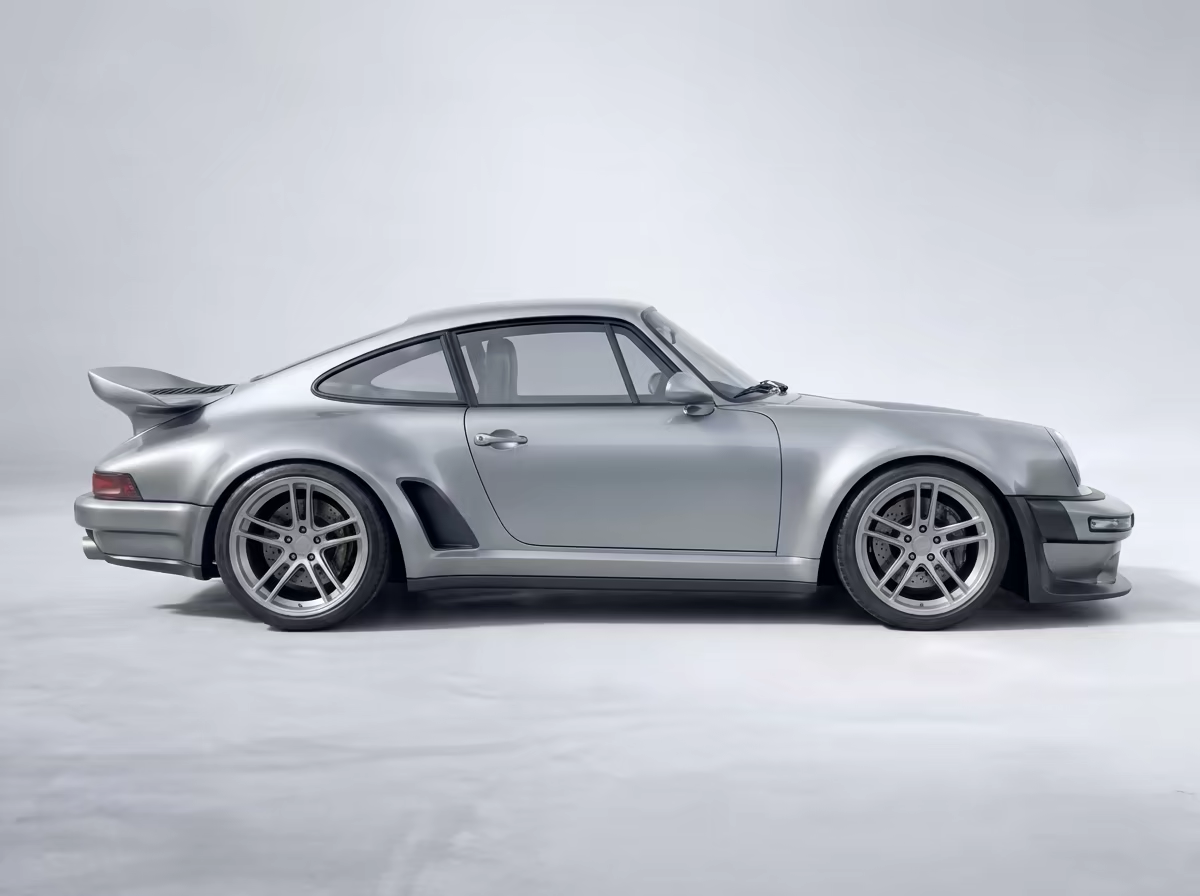
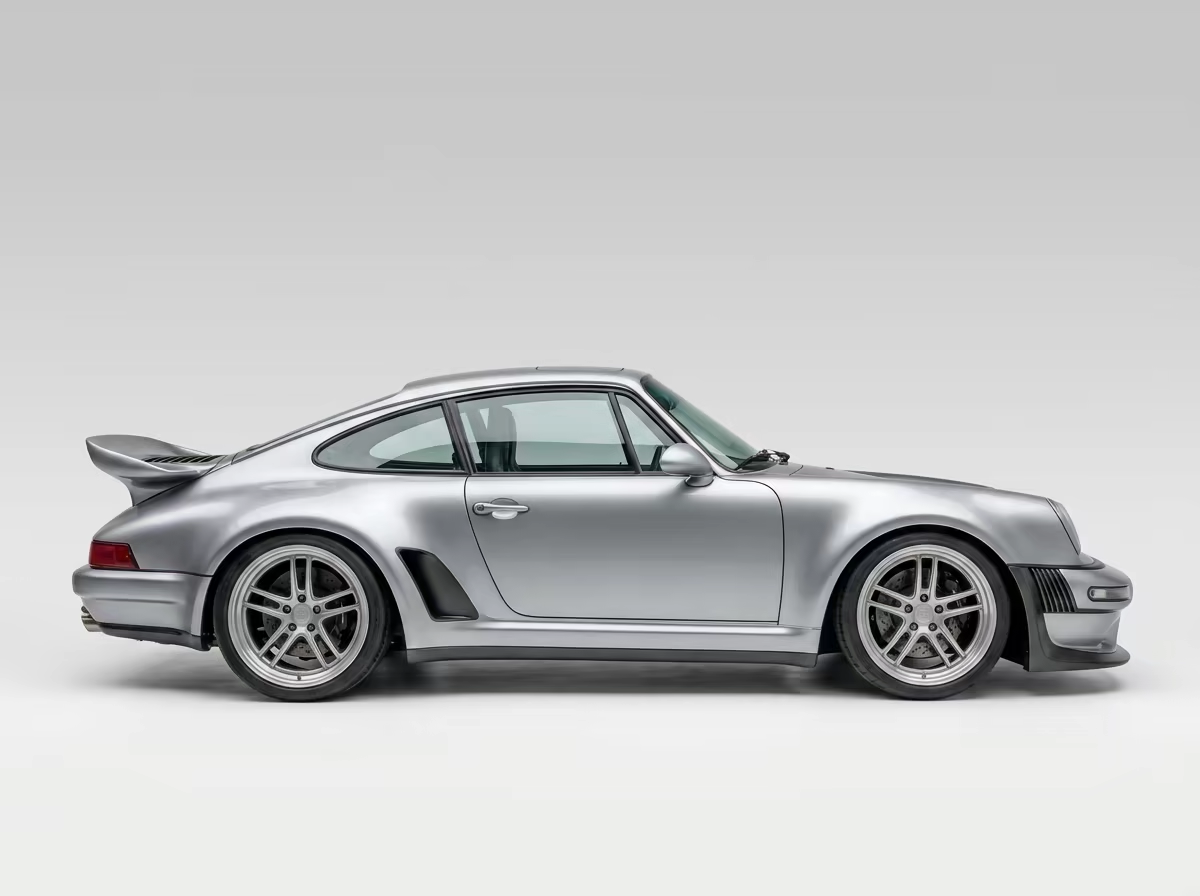
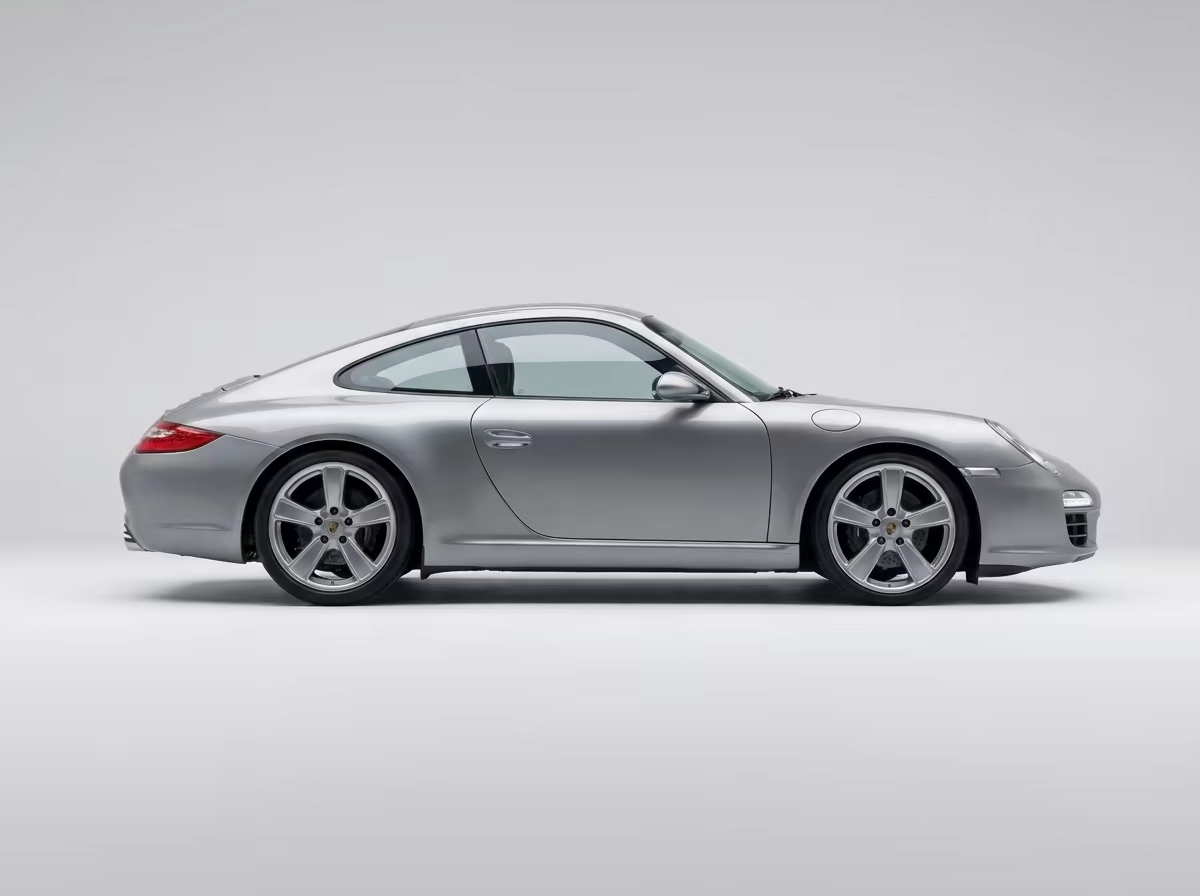
What makes the Porsche 911 truly exceptional is its ability to balance heritage with progress. Many cars change with time, but few evolve as carefully and as successfully. The 911 has continued to embrace modern refinement, advanced technology, and improved performance while preserving the proportions, character, and emotional identity that define it. This continuity is one of the reasons it remains so admired. It never abandons its roots in pursuit of relevance — instead, it proves that true design and true engineering can remain timeless.
Its design is one of the clearest expressions of that philosophy. The silhouette of the Porsche 911 is among the most recognizable in automotive history. Clean, athletic, and purposeful, it carries a visual identity that feels both elegant and unmistakably performance-driven. Every proportion is carefully resolved, every surface considered, and every detail contributes to a sense of movement, precision, and restraint. The result is a design language that does not rely on excess. It communicates confidence through purity, and presence through form.
The Porsche 356, born in a Gmünd workshop, was the first car to carry the Porsche name. Hand-built with aluminum bodies and a rear-mounted engine borrowed from Volkswagen, it established the principles of balance, lightness, and driver engagement that would define every Porsche that followed. It was never about raw power — it was about purity of purpose.
What makes the Porsche 911 an icon
A closer look at the performance, design, and engineering behind its unmistakable character.
Engineered to feel sharp and alive, the Porsche 911 turns every drive into a more engaging experience. From the precise steering response to the rear-engine balance that gives confidence through corners, every element is tuned to one purpose: making the driver feel connected, in control, and fully alive.
Engineered to feel sharp and alive, the Porsche 911 turns every drive into a more engaging experience. From the precise steering response to the rear-engine balance that gives confidence through corners, every element is tuned to one purpose: making the driver feel connected, in control, and fully alive.
A closer look at the design and craftsmanship of the 911
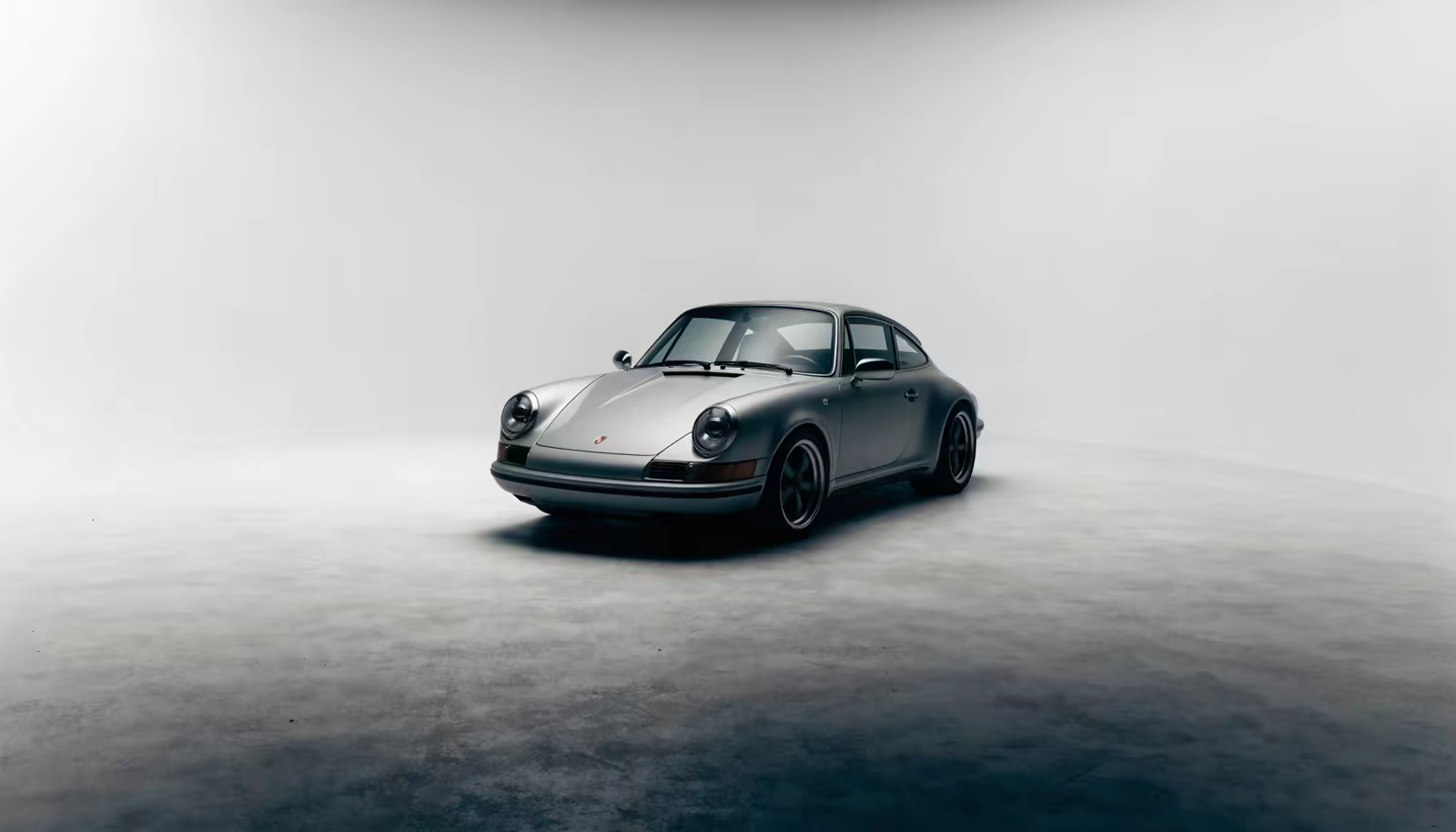
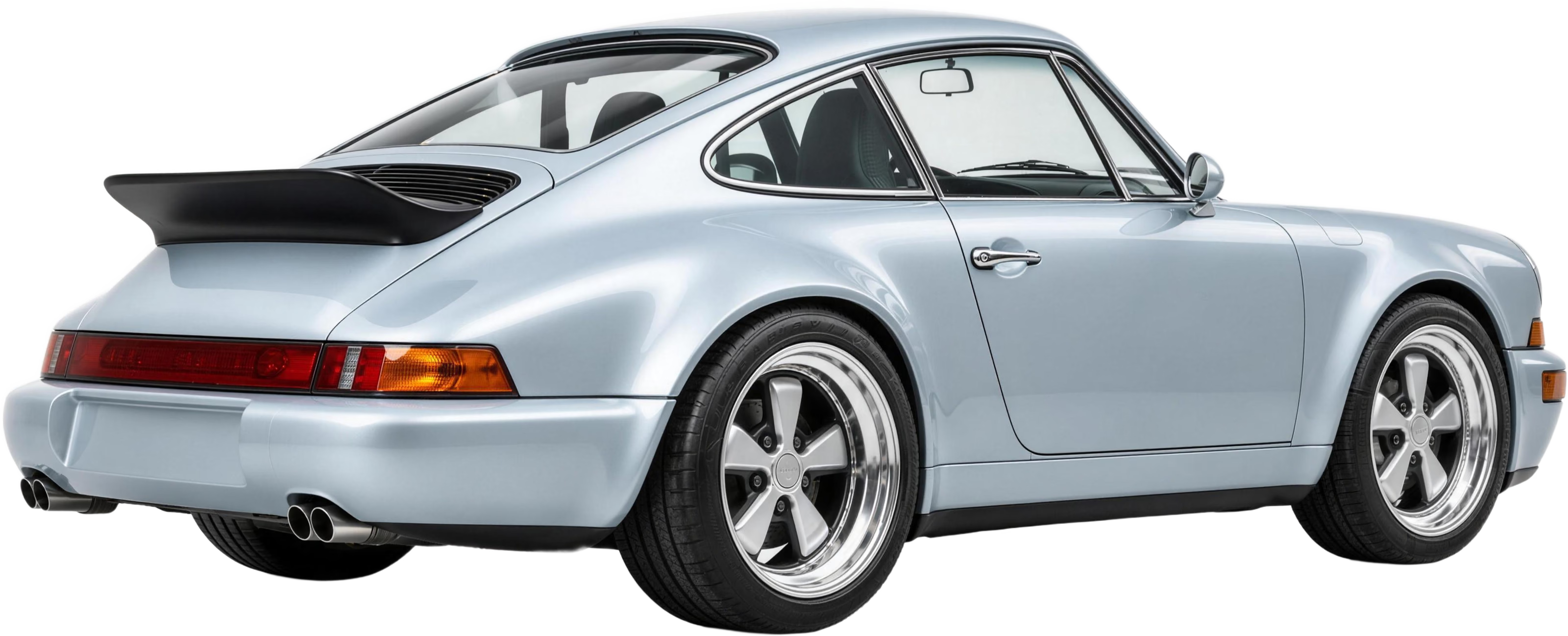
The Porsche 911 reimagined by Singer is a sports car that blends timeless design with modern craftsmanship and performance. Inspired by the heritage of the classic 911, it delivers a driving experience defined by precision, character, and unmistakable style.
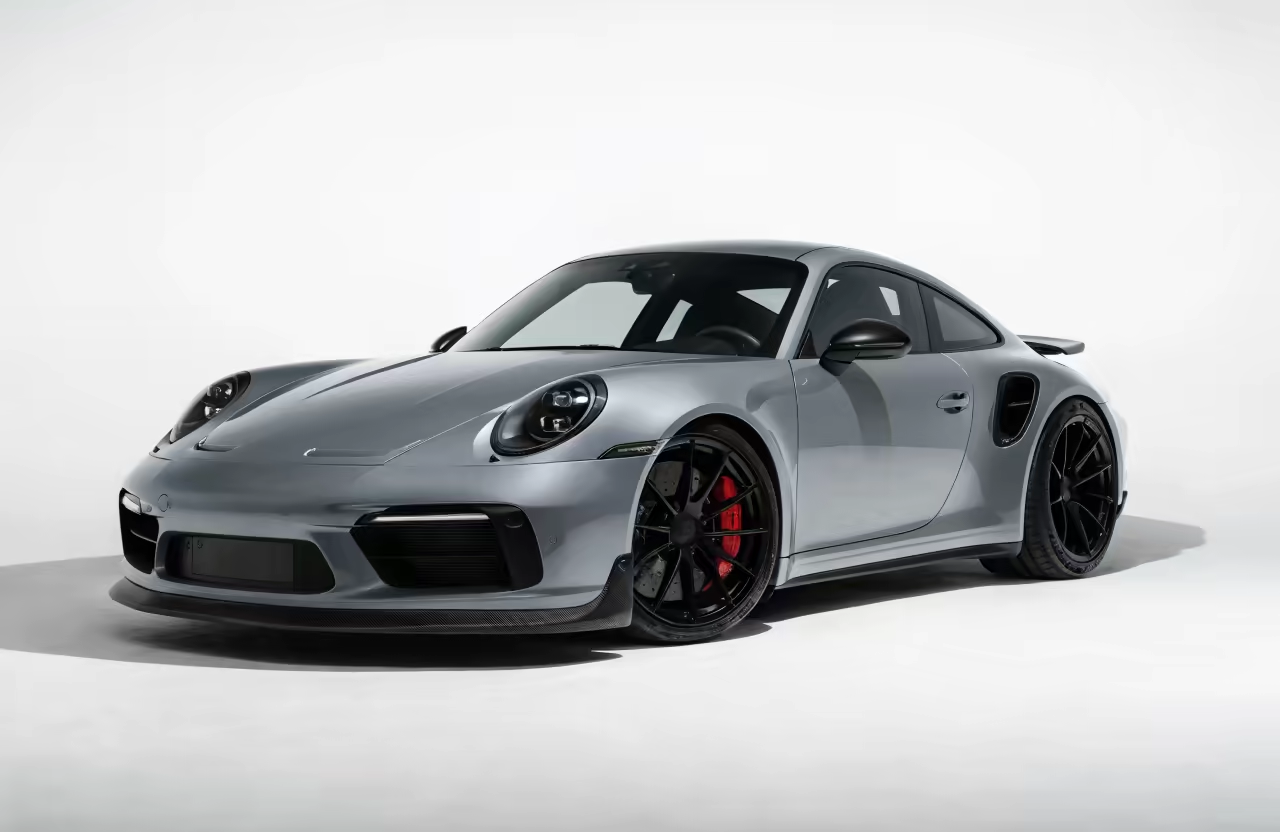
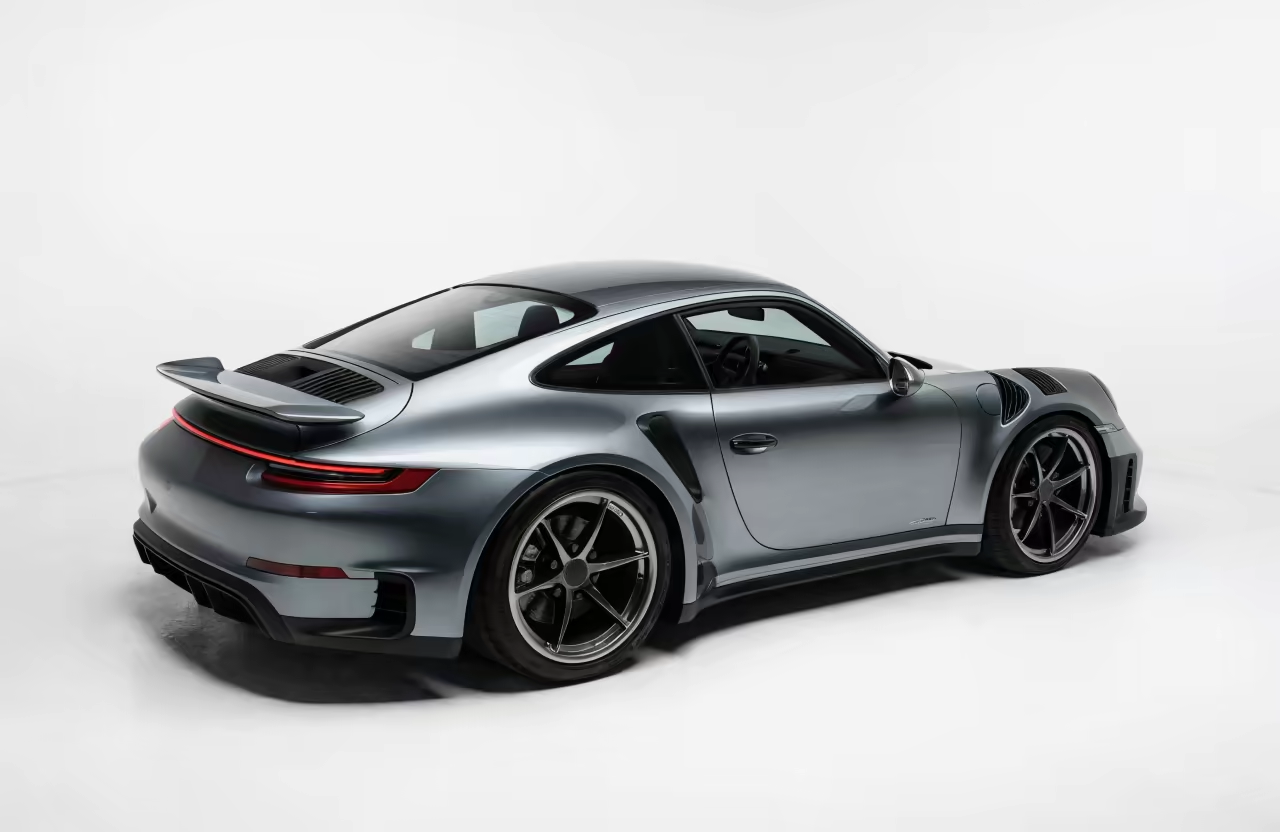
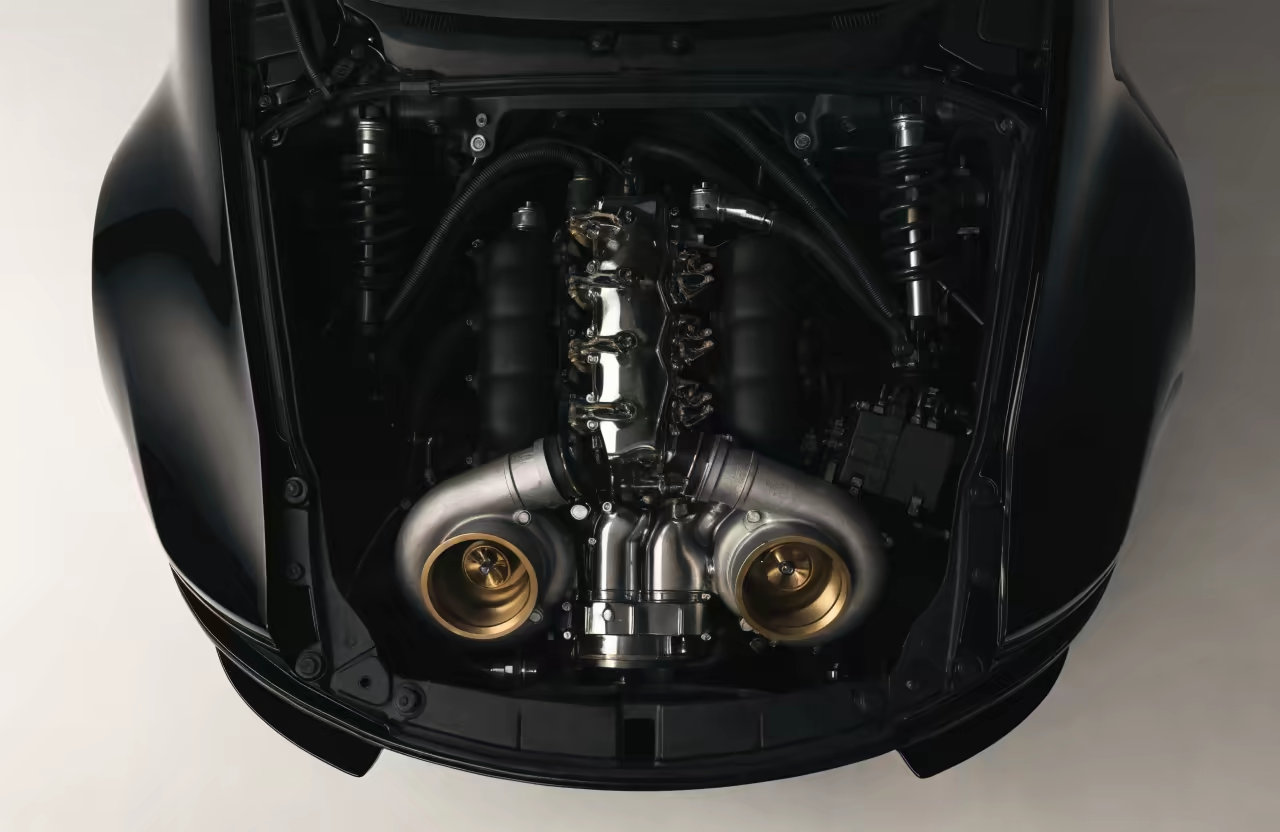
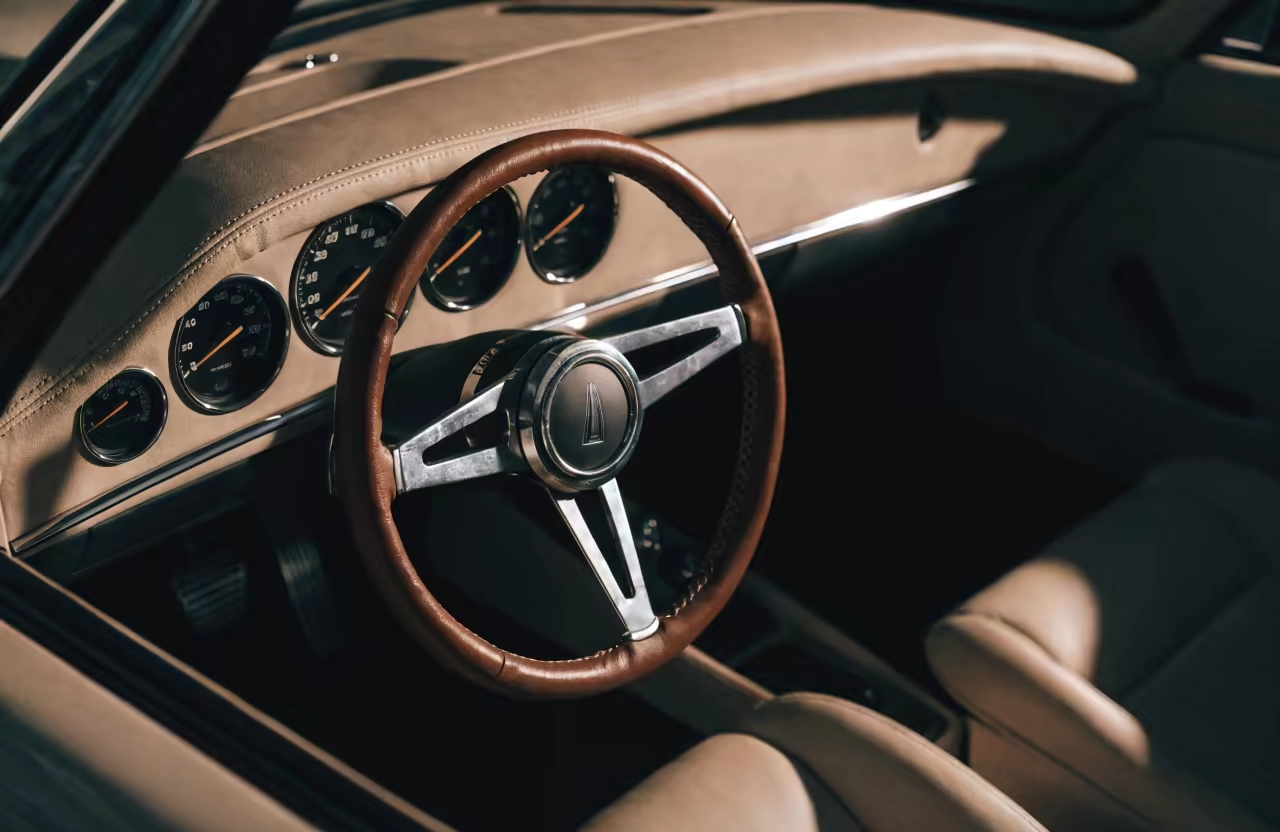
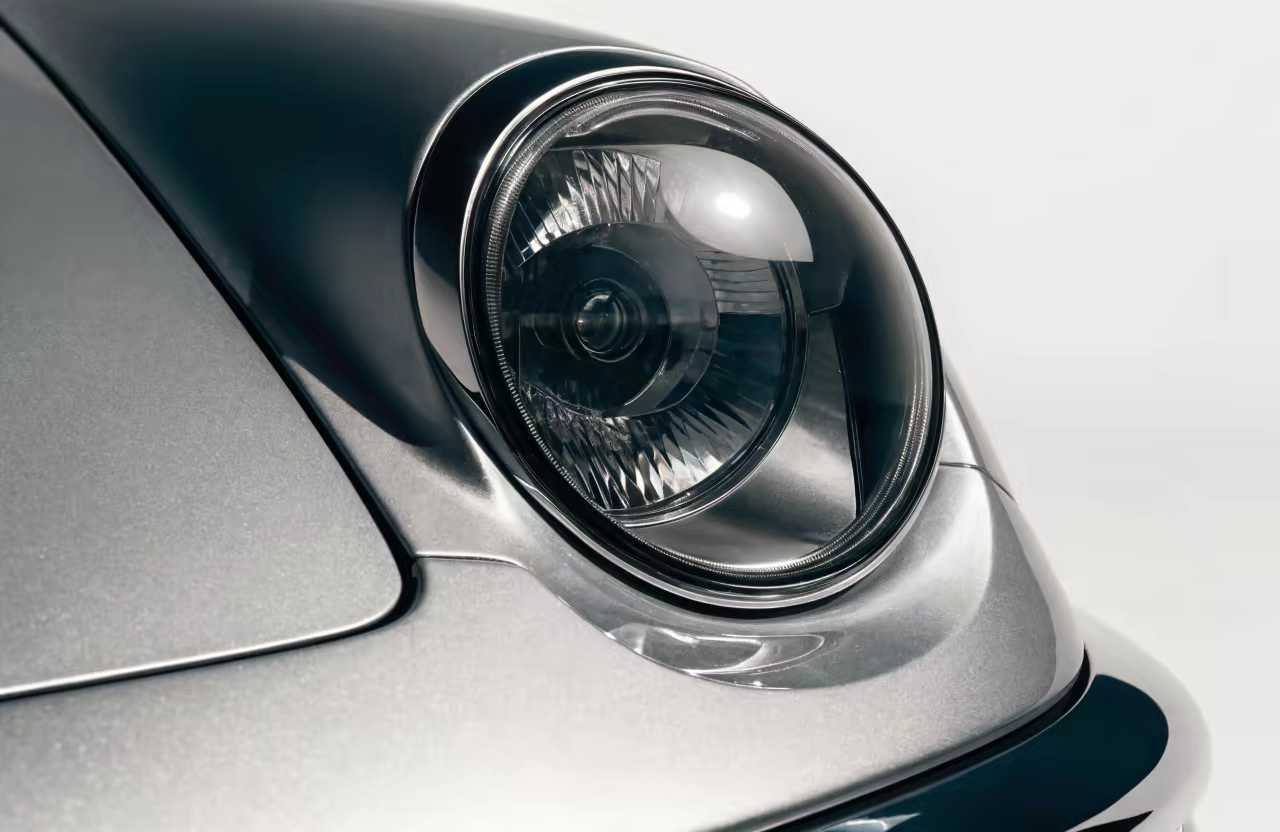
Explore the design, craftsmanship, and character of this reimagined Porsche 911 through a curated selection of exterior, interior, and detail shots.
Explore the design, craftsmanship, and character of this reimagined Porsche 911 through a curated selection of exterior, interior, and detail shots.
Everything you may want to know about the Porsche 911.
Explore the answers to the most common questions about design, performance, character, and everyday usability.
Few cars have kept a single idea alive for six decades. Since 1963 the 911 has held on to its rear-mounted flat-six, its sloping roofline, and its round headlights — refining each of them generation after generation instead of starting over.
That continuity is what makes it recognisable at a glance. The 911 is not iconic because it chased trends, but because it never needed to.
No. While the Porsche 911 is celebrated for its exceptional performance and driver engagement, it is not designed solely for high-speed or track-focused driving. One of the qualities that has defined the 911 for generations is its ability to combine the excitement of a true sports car with the comfort, refinement, and usability required for everyday life.
Behind its performance-focused character is a car engineered to feel rewarding in a wide range of driving situations. It offers responsive handling, strong acceleration, and a deep connection between driver and machine.
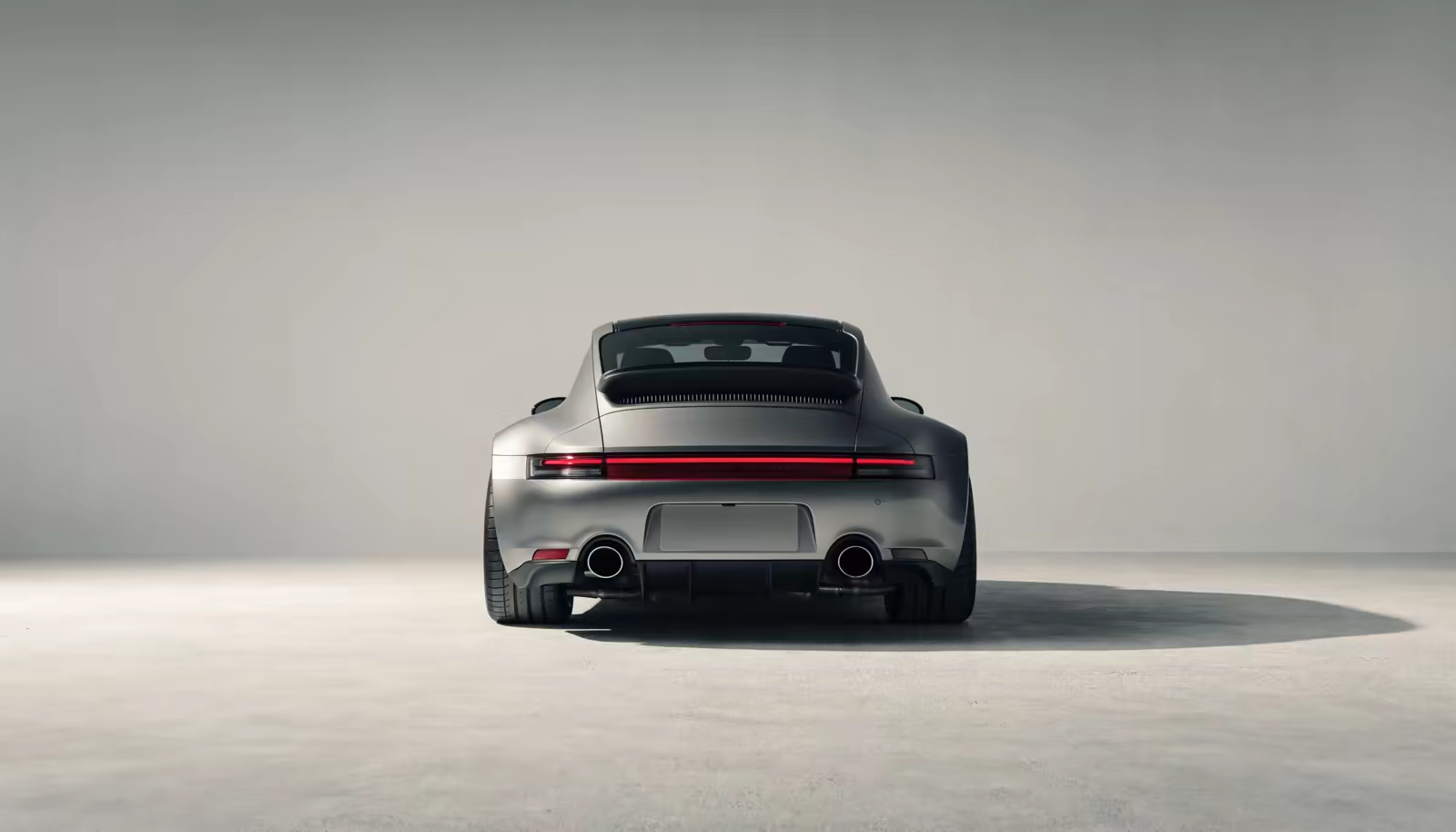
Balance and feedback. With the engine behind the rear axle, the 911 finds traction out of corners in a way few cars can, while the steering tells the driver exactly what the front wheels are doing.
Analog instruments, a thin-rimmed wheel, and a low seating position complete the picture — nothing stands between the driver and the road.
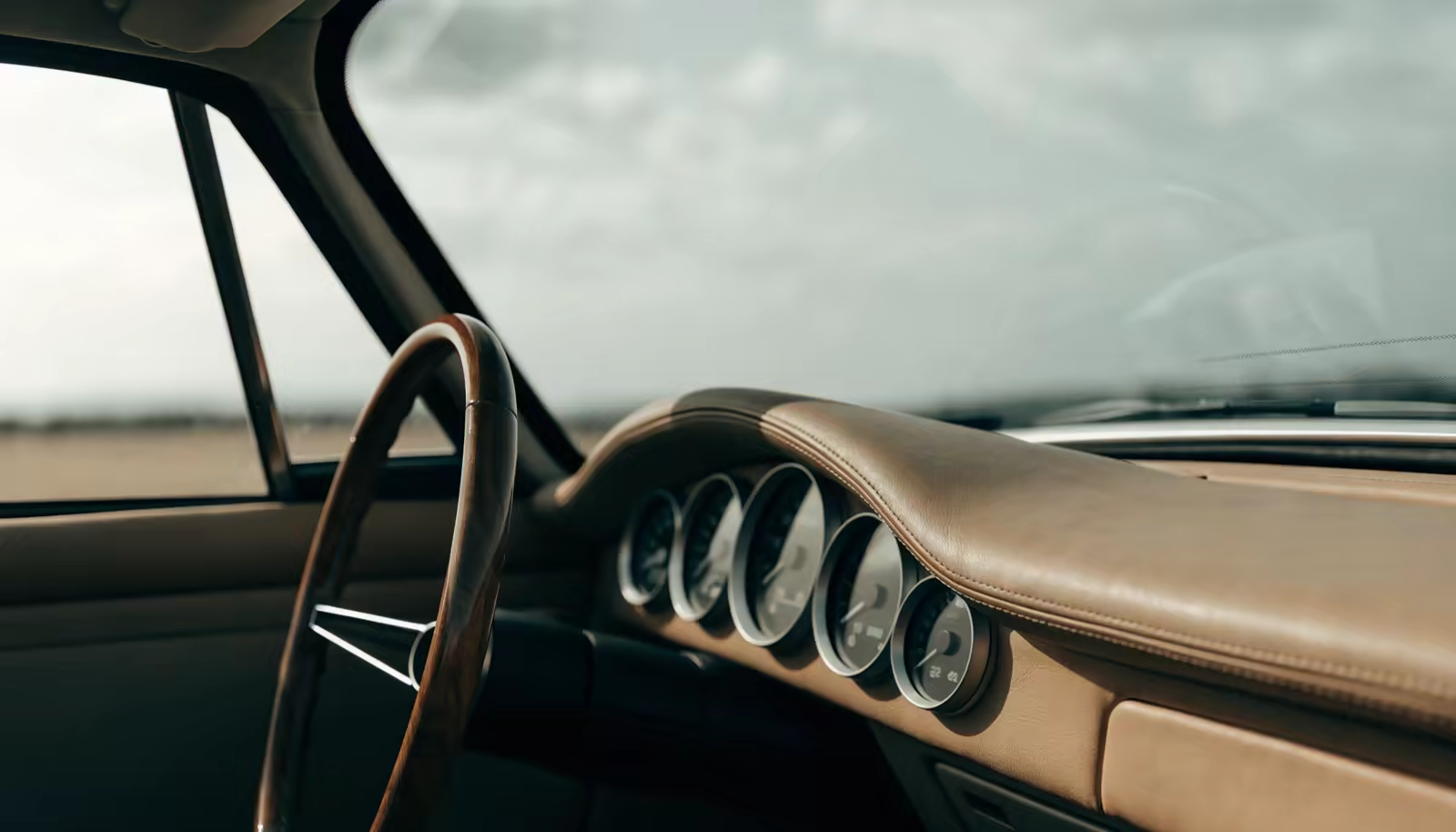
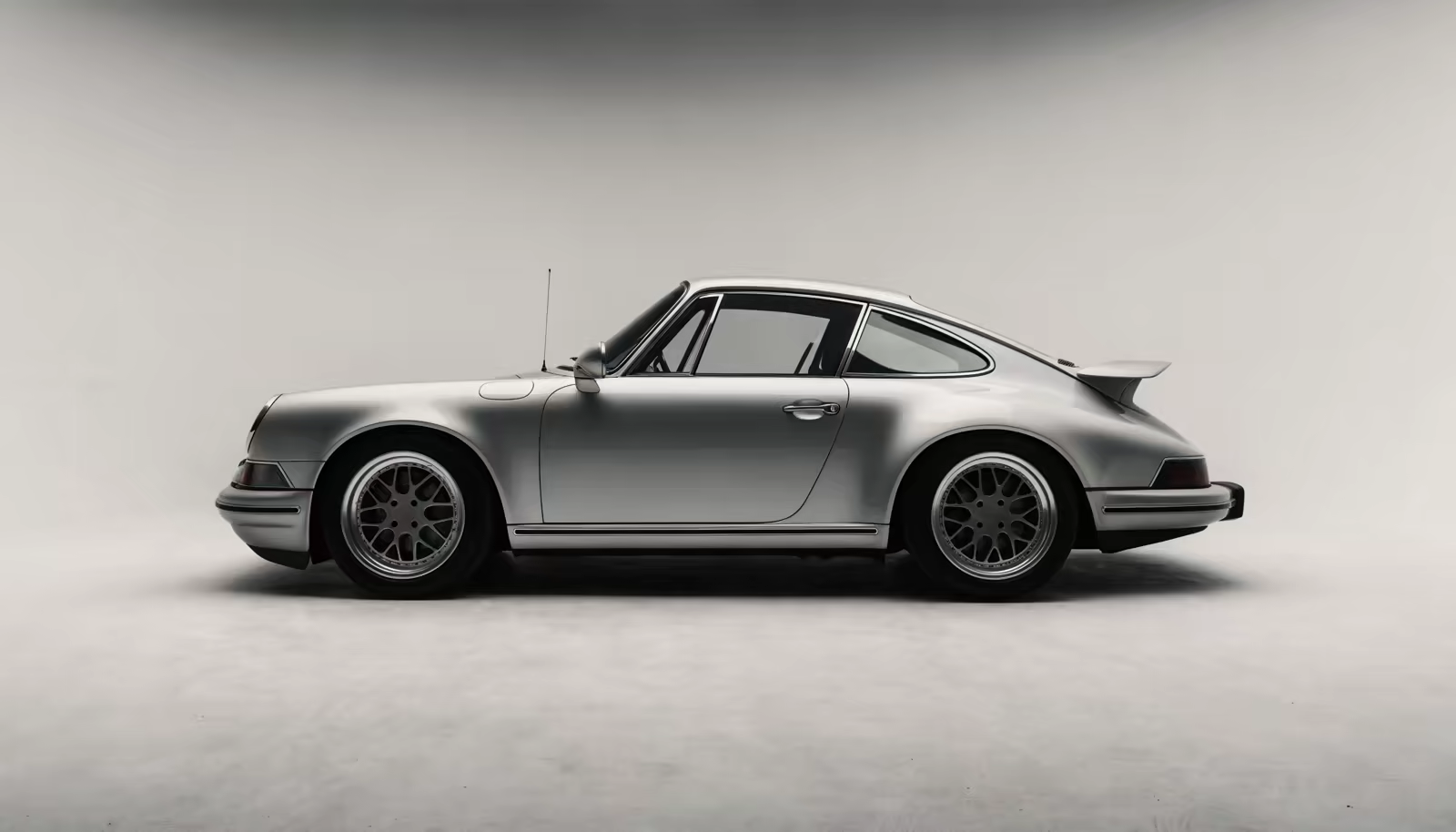
The silhouette is the signature. A continuous roofline flows into a long rear overhang, framed by wide haunches and a low bonnet — proportions shaped by aerodynamic logic and perfected over decades.
Every surface is resolved with intent, which is why the 911 still looks unmistakable in profile, from any era and in any colour.
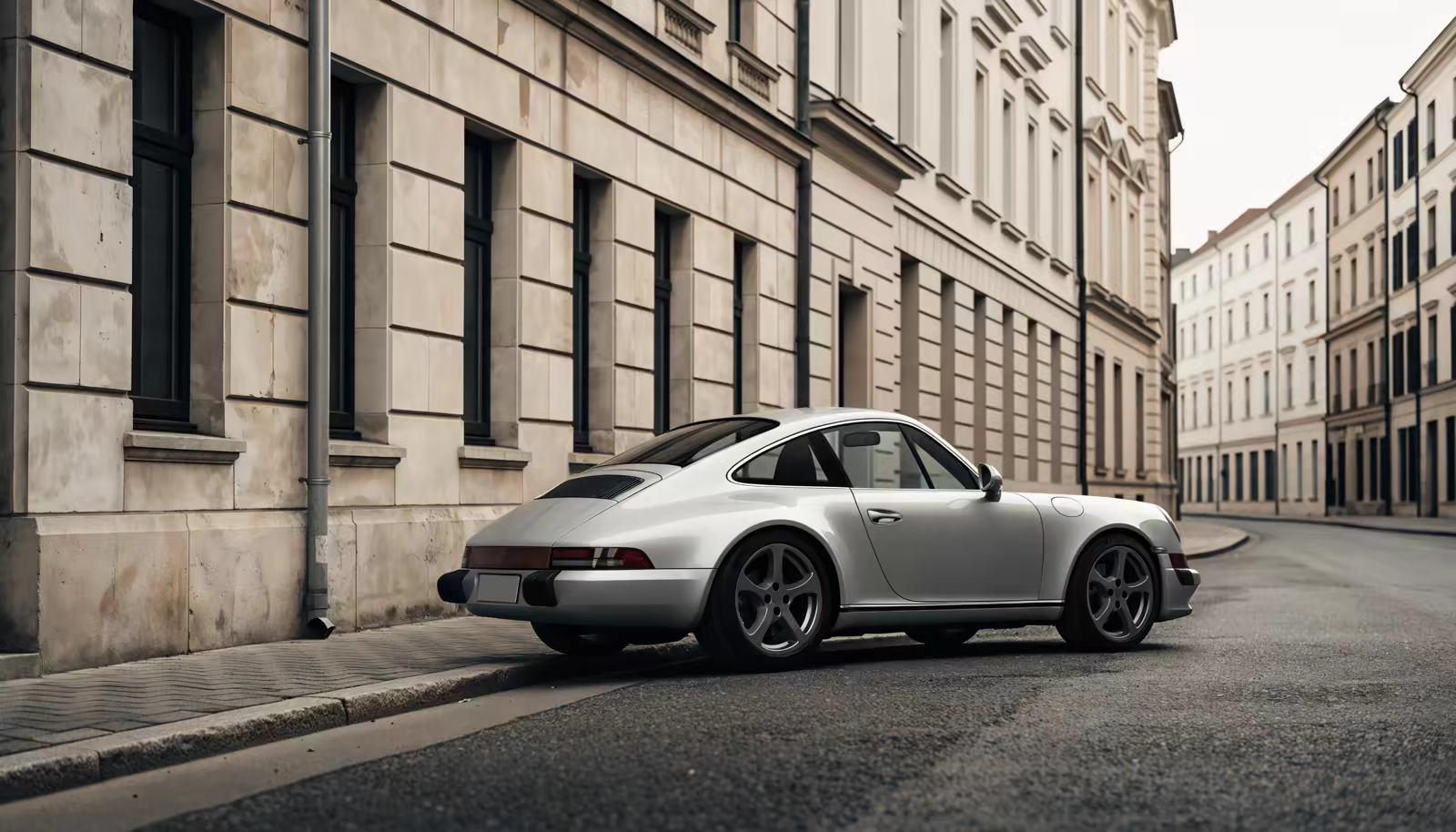
Yes. Compact dimensions, good visibility, rear seats, and a front luggage compartment make the 911 as comfortable in the city as it is on an open road.
It starts on cold mornings, rides calmly over broken tarmac, and still rewards the driver every time the road opens up.
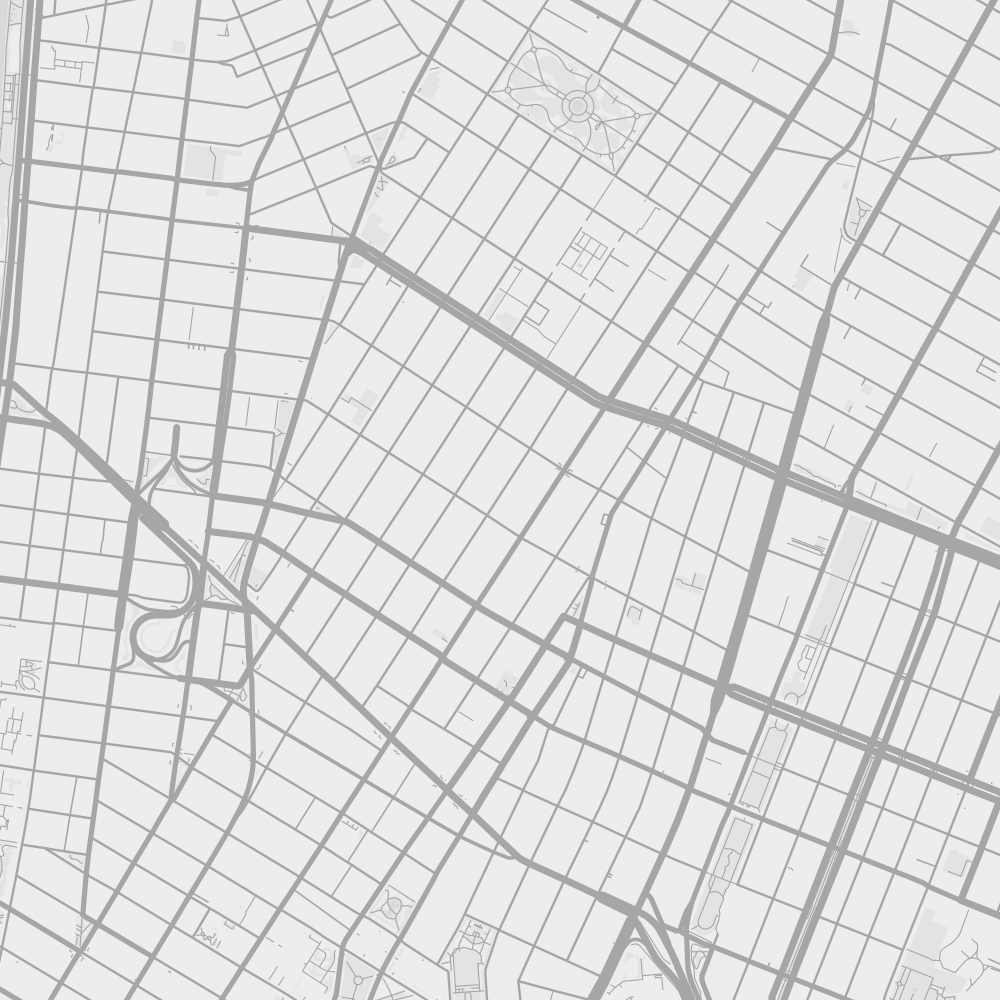
Contact
New York City
We’re open weekdays, 10:00 to 18:00 for test drives, consultations, or just to talk about the 911.
Phone
+1 212 555 0191Address
911 Studio New York City110 Mercer Street, 5th Floor, NY 10012, USA
Find your
region
USA
Europe
Start your Test Drive experience
Book your test drive and experience the performance, precision, and character of the Porsche 911 from behind the wheel.
Book a test drive and discover the precision, power, and unmistakable character that define every moment on the road.